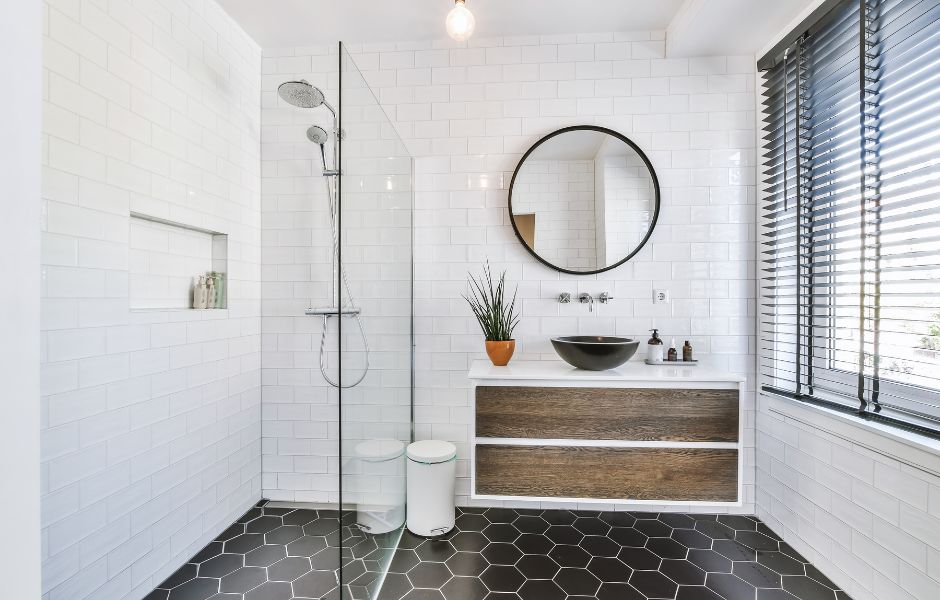
A family home is one that truly grows with you. Think about it: from those early days of chasing toddlers to eventually welcoming grandchildren or helping out ageing parents, our needs definitely shift over the years.
That’s why creating a bathroom that’s safe, comfy, and easy for everyone, no matter their age, is one of the smartest investments you can make. It’s not just about planning for less mobility down the road; it’s about designing a space that simply works better for everyone, every single day.
An accessible bathroom isn’t just about removing obstacles; it’s about giving everyone more independence and a real sense of security. That goes for little kids and older adults alike.
Understanding Accessibility Needs
When you’re thinking about an accessible bathroom, the first thing to do is consider who’ll be using it, both now and in the future. There’s no one-size-fits-all answer here. For a family with young kids, maybe a low-sided tub with a non-slip mat is top priority for safe and easy bath times. But for an older person, a shower you can walk right into and a slightly taller toilet could make a huge difference to their daily routine.
Don’t forget to consider any visiting relatives or friends too. Planning ahead helps you create a flexible space that can easily change as time goes on. As you plan, consider what will really benefit your household. The main goal is to make a space that feels welcoming and comfortable, not like a hospital room.
Key Design Elements for Safety
Safety is super important in any accessible bathroom design. Since water and smooth surfaces are pretty standard in bathrooms, keeping slips and falls to a minimum is key. The good news is that today’s designs mix safety with style, so you don’t have to choose between looking good and being safe.
Here are some of the best ways to boost safety:
- Non-slip flooring: Pick tiles or vinyl with a bit of texture. They’ll give you good grip even when things get wet.
- Walk-in shower or wet room: Getting rid of that high step into a bath is one of the biggest safety upgrades you can make. Wet rooms take it a step further, offering a completely flat, level entry.
- Smartly placed grab rails: These offer crucial support right where you need it: near the toilet, in the shower, and by the bath. Plus, modern grab rails come in all sorts of finishes to match your decor.
- Good lighting: Bright, layered lighting cuts down on shadows and helps you see clearly, which is a big help in preventing trips.
Choosing the Right Fixtures
Once you’ve got the layout and safety features sorted, picking the right fixtures comes next. Luckily, there are tons of products out there now designed specifically to be easy to use and comfortable. Even simple changes can really boost a bathroom’s functionality.
For instance, lever-style taps are way easier to manage for anyone with limited grip than those old twist-knobs.
A comfort-height toilet is a bit taller than a standard one, making it much easier to sit down and stand back up. For folks using wheelchairs, a wall-hung sink leaves plenty of clear space underneath for easy access. If you’re working with an awkward layout, an L-shaped bathroom suite can also help you make better use of the available space while keeping the main fixtures together. You might also think about a shower seat, whether it’s a built-in bench or a fold-down model, to give a stable, comfy spot to sit while showering.
Professional Adaptation and Installation
While you might tackle some small updates yourself, a full accessibility conversion really needs a pro. Proper bathroom installation is crucial for both safety and how long everything lasts. For example, grab rails absolutely have to be anchored securely into wall studs to hold someone’s full weight; just screwing them into plasterboard is incredibly dangerous.
Creating a wet room involves tricky waterproofing and drainage work to stop leaks and water damage to the rest of your home.
A professional installer knows all the technical stuff, from making sure the floor slopes just right for drainage to fitting watertight seals. Getting the job done the first time correctly gives you peace of mind and ensures the space is truly safe for your loved ones to use on their own.
Maintenance for Long-Term Use
An accessible bathroom is a long-term investment, and a little regular care will keep it safe and working well for years. It’s a good idea to periodically check that all grab rails are still firmly attached to the wall and aren’t wobbly. If you have a fold-down shower seat, make sure its mechanism is still moving smoothly.
It’s also important to clean non-slip flooring just as the manufacturer suggests to keep its textured surface effective. Some cleaning products can leave a residue that actually makes it less grippy. Finally, keep shower drains and plugholes clear of hair and soap buildup.
This prevents water from pooling, which can definitely create a slip hazard.
Creating a bathroom that works for everyone is a fantastic way to future-proof your home. It’s a practical project that brings daily comfort and confidence to everyone who uses it.


