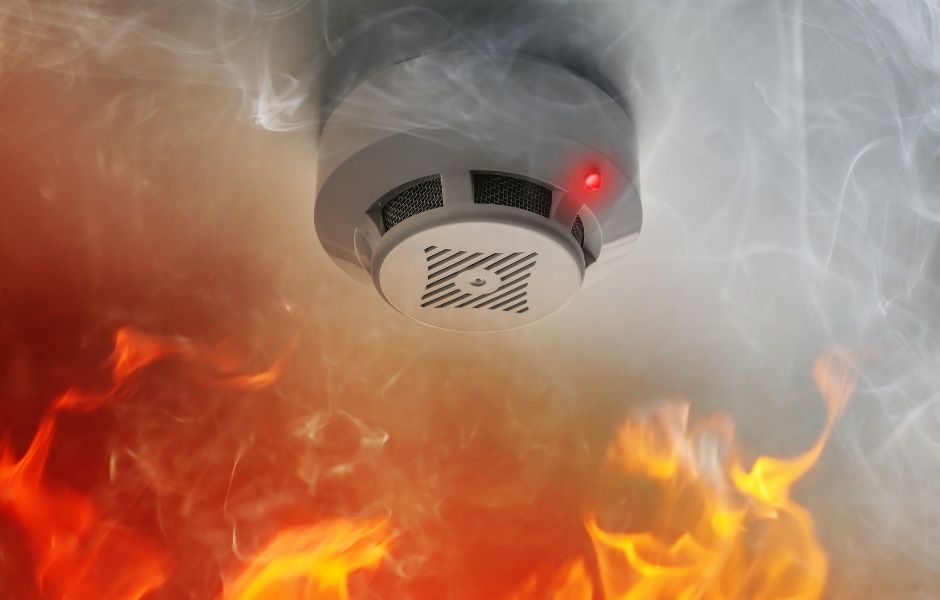
Everyone that owns a home wants it to be a secure environment, yet misinformation regarding fire safety remains a risk.
Myths about prevention and protection can lead to harmful practices that increase your fire risk. Debunking such misconceptions is important in keeping yourself and everyone living under your roof safe. In this blog, we will look at some of these fire myths with their real-world implications.
Myth 1: Modern Homes Don’t Need Fire Detectors Everywhere
A common myth about fire detectors is that they only apply to older homes built with outdated electrical systems and materials, but this can be dangerously misleading. Even modern homes are susceptible to catching fire due to faulty appliances, human error, or natural disasters. And new building techniques and materials used have actually increased the risk of fire spreading quickly. Open floor plans with high ceilings allow flames to spread more rapidly throughout a home. This is why having fire detectors, like Apollo Fire Detectors, strategically placed is even more important.
Myth 2: Candles Are Harmless If You’re in the Room
Candles have been associated with relaxation and warmth for a long time, but they also pose potential hazards. People often think that as long as someone is nearby when candles are lit, there should be little danger when they are used. But all it takes is one gust of wind through an open window or an energetic pet or child to knock the candle over and start a fire. Battery-powered LED candles can give you the same calming ambience without the risk of open flames.
Myth 3: A Cup of Water Is Enough to Put Out a Kitchen Fire
Kitchen fires caused by grease are unfortunately common, but many believe water to be the right way of extinguishing any fire. Pouring water on such fires can only exacerbate it further and become an explosive situation. In these instances, lid smothering or using chemical extinguishers designed for kitchen use is usually a much better approach. Knowing which methods work for specific fire types can save lives
Myth 4: Fire Won’t Spread Quickly Enough to Worry
Believing there is a lot of time for escape during a fire can lead to dangerous situations, when in reality housefires spread at an alarmingly rapid rate due to synthetic materials used in modern furnishings. A small flame can quickly fill an entire room in less than five minutes. Each second counts, so creating and practicing an evacuation plan for your household is important. Never underestimate its speed and devastation.
Myth 5: Fire Extinguishers Are Optional
Fire extinguishers may seem like an extravagance in any home, but they should be an important part of your home. Some may believe them difficult or unnecessary with fire alarms in place, but having one on hand could stop minor incidents from spiraling into disasters. Just make sure that all the household members know how to use them correctly.
Conclusion
Fire safety begins with awareness and preparation. Misperceptions about fire prevention can create unsafe habits that put homes and people at risk. Understanding the facts and taking preventive measures, you can reduce the chances of fires occurring in your home and respond correctly to any that do happen. Education, preparation and vigilance are important components to creating a truly fireproof home.