Collaborative post
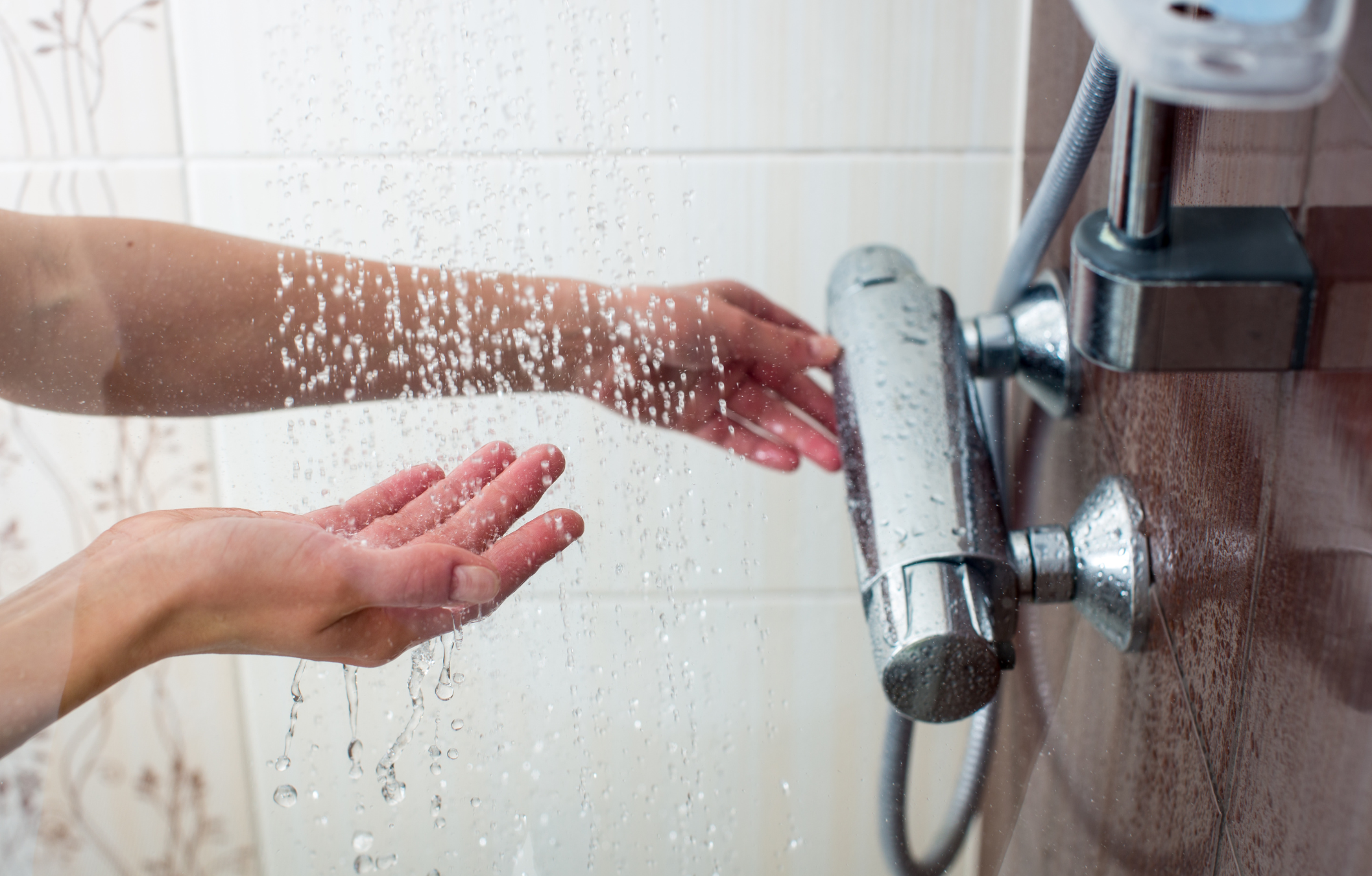
There are few things more frustrating than trying to enjoy a relaxing moment in your luxurious bathroom, only to find that things have taken a chilling turn for the frosty, instead. Running out of hot water during a bath, shower, or even when you’re trying to do the dishes can become a real hassle if you let it. There are several reasons you might find your hot water regularly running out, and here are a few worth considering.
Everyone is using it at the same time
High-demand periods can easily see you running out of hot water. During peak usage times, such as in the morning when everyone is getting ready for work or school, or in the evening when household chores are being done, the demand for hot water can exceed the heater’s ability to replenish it quickly enough.
Traditional tank water heaters have a finite amount of hot water and require time to heat a new supply. If your household often uses multiple hot water sources simultaneously, you may experience frequent shortages. Scheduling it out, and communicating about hot water usage might help you avoid this issue.
Your water heater isn’t big enough for your home
It may well be the case that your water heater is just too small for your home’s needs if the above happens to you on a regular basis. Larger families and multi-bathroom homes are likely to need a larger water heater. Installing a new electric hot water cylinder can ensure that your heater is able to produce a much larger amount of hot water that your family can use for showers, the washing machine, the dishwasher, and more. Tankless water heaters might suit smaller families, as well.
Sediment is building in your system
Sediment build-up in your water heater is another common cause of running out of hot water. Over time, minerals present in your water, such as calcium and magnesium, can settle at the bottom of the tank. This sediment layer takes up space that would otherwise be occupied by hot water, effectively reducing the tank’s capacity. You can flush sediment from your water heater in a variety of ways, clearing the system so that it’s able to heat up more easily again.
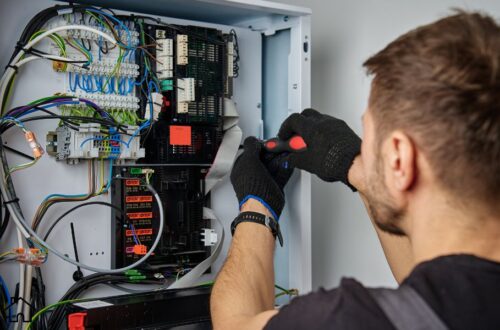
You have faulty parts in your heating system
There are a few different faults that can cause your water heater to not operate properly. The heating elements that actually heat up the water can wear out or become damaged, which leads to less efficient operation.
Water might take longer to heat up, or not heat up as much. A faulty thermostat can also be an issue. Even if the water is able to heat up properly, a thermostat might read that it’s already hotter than it is, so the heating element will turn off before it has really completed its job.
With the tips above, hopefully, you will be able to get to the bottom of your wintery water woes and restore the warmth and comfort you deserve in your bathroom.