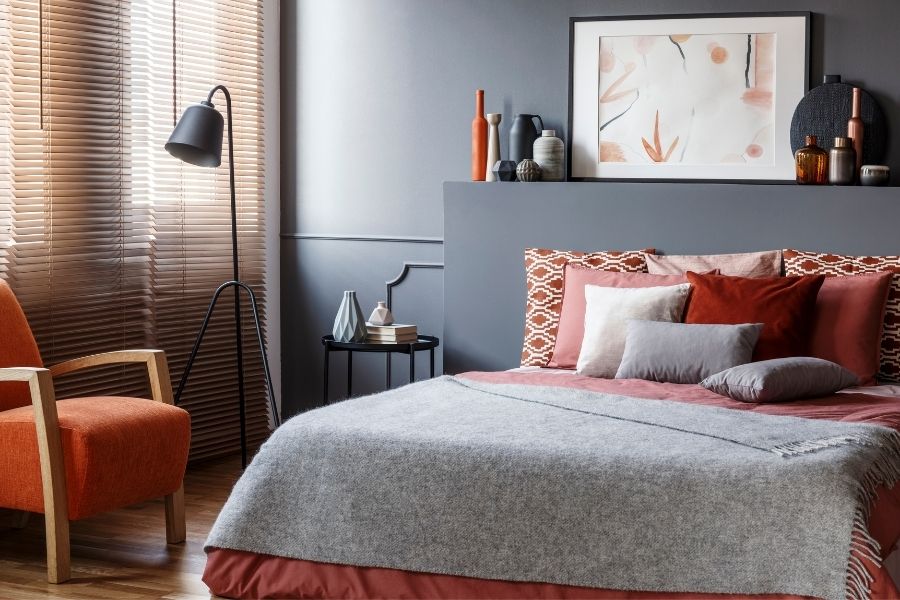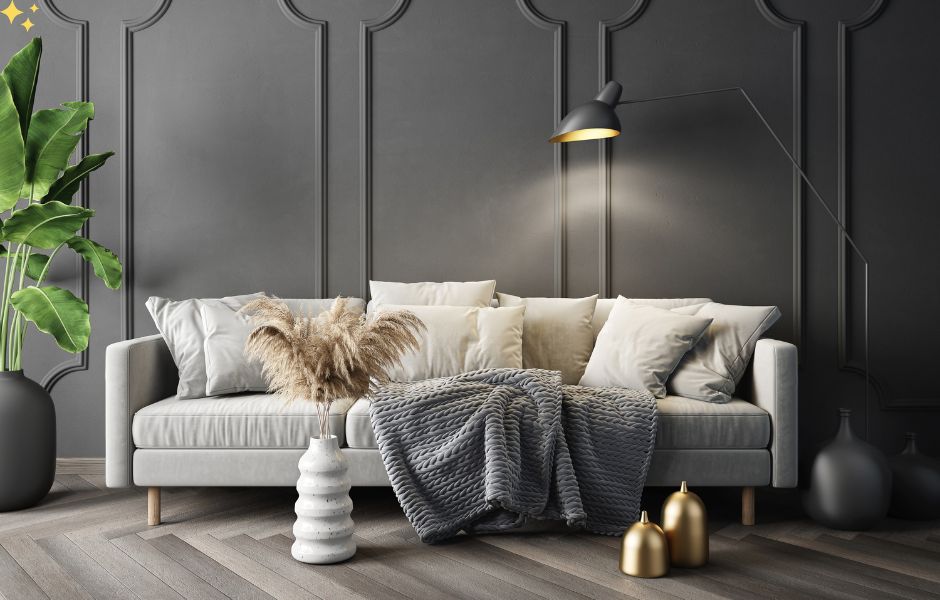
Creating a home that truly reflects your personal taste is one of the most rewarding projects you can undertake.
A well-designed home is more than just a place to live; it is a sanctuary that embodies your preferences, supports your lifestyle, and provides comfort and inspiration.
From carefully chosen colour palettes to thoughtfully placed living room lights and ceiling lights, every detail plays a part in crafting your dream home. Here are some key strategies to help you design a home that is uniquely yours.
1. Understand Your Style
Before diving into design decisions, take time to understand your personal style. Whether you gravitate towards modern minimalism, rustic charm, classic elegance, or eclectic vibrancy, knowing your style will guide your choices and create a cohesive look throughout your home.
Create a mood board or a digital collection of inspirations from magazines, Pinterest, or Instagram. Look for recurring themes in your preferences, such as colour schemes, furniture shapes, or patterns. If you’re unsure, consider consulting an interior designer who can help you identify and articulate your tastes.
2. Start with the Basics: Colour and Texture
The foundation of any home design is the colour palette and textures you choose. Neutral tones like whites, greys, and beiges provide a timeless backdrop and make it easy to incorporate bolder accents later. Alternatively, if you love vibrant colours, consider starting with a statement wall or bold furniture pieces.
Textures add depth and interest to a space. For example, combining smooth surfaces like glass or polished wood with softer materials like rugs, cushions, or curtains can create a visually appealing contrast. This approach works well in the living room, where a mix of textures can make the space feel cosy and inviting.
3. Plan Your Lighting Strategically
Lighting is one of the most important elements in home design and plays a vital role in setting the mood and enhancing functionality. A layered approach to lighting works best, combining ambient, task, and accent lighting to create a versatile and dynamic environment.
Living room lights are particularly significant, as this space often serves multiple purposes—from relaxing and entertaining to working or reading. Use a mix of floor lamps, table lamps, and wall sconces to achieve adjustable lighting. Dimmable options allow you to change the ambience depending on the activity.
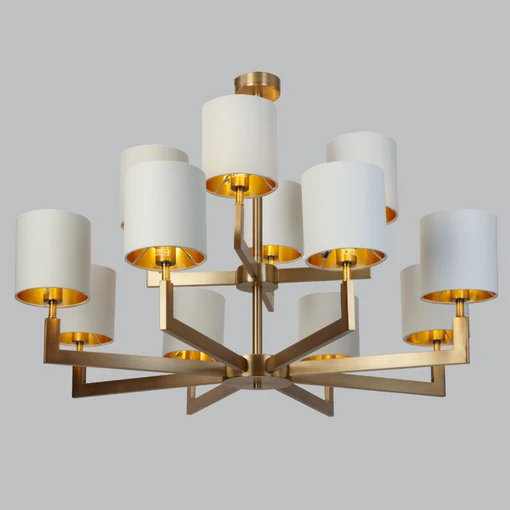
For overall illumination, consider elegant ceiling lights that complement your design theme. Chandeliers can add a touch of luxury, while recessed lighting provides a sleek and modern look. Pendant lights are another great option, especially if you want to highlight specific areas, such as above a coffee table or dining nook.
4. Customise Your Furniture
Furniture is not only functional but also a key way to express your personality. Custom-made or bespoke furniture can ensure that each piece fits perfectly into your space and aligns with your vision. If custom pieces are beyond your budget, mix and match items from different stores to avoid a cookie-cutter look.
When choosing furniture, think about scale and proportion. Large, bulky pieces can overwhelm smaller spaces, while dainty furniture may get lost in a spacious room. Aim for a balanced layout where each piece contributes to the overall harmony.
5. Focus on the Heart of the Home: The Living Room
The living room is often the most utilised space in a home, making it a priority for personalisation. Start with a comfortable sofa that suits your style and is large enough to accommodate your needs. Layer it with cushions and throws in complementary colours or patterns.
Your choice of living room lights can dramatically impact the space. Combine a central ceiling fixture with additional lighting sources to create warmth and depth. Accent lights, such as spotlights or LED strips, can be used to highlight artwork, bookshelves, or architectural features.
Consider how you want the room to flow. Arrange seating to encourage conversation, and leave enough space for easy movement. Incorporate a coffee table or ottoman that adds both functionality and style.
6. Add a Personal Touch with Decor
Accessories and decor are where your personality can truly shine. Display items that hold sentimental value, such as family photos, travel souvenirs, or heirlooms. Incorporate art that speaks to you, whether it’s a gallery wall of paintings or a single statement piece.
Plants are another way to add life and character to your home. From large statement plants like fiddle-leaf figs to small succulents, greenery can enhance any room and purify the air.
Don’t forget about soft furnishings such as rugs, curtains, and cushions. These elements can introduce patterns, colours, and textures that tie your design together. Consider seasonal swaps for an easy and affordable refresh.
7. Pay Attention to Functional Spaces
While areas like the kitchen and bathrooms are primarily functional, they still offer opportunities for customisation. Choose finishes and fixtures that align with your overall design aesthetic. For instance, sleek black taps and handles can add a modern edge, while brass fittings evoke a vintage feel.
Lighting is just as crucial in these spaces. Use under-cabinet lighting in the kitchen for both practicality and ambience. In bathrooms, layer ceiling lights with wall-mounted sconces to create a relaxing spa-like atmosphere.
8. Think Long-Term
Trends come and go, but your home should remain timeless. Avoid overly trendy designs that may feel dated in a few years. Instead, focus on quality materials and classic elements that will stand the test of time. You can always update smaller accents like cushions or artwork to reflect current styles without committing to major changes.
9. Experiment and Evolve
Designing your home is not a one-time task; it’s an ongoing process. Don’t be afraid to experiment and make changes as your tastes and needs evolve. Rearranging furniture, swapping out decor, or trying new paint colours are simple ways to refresh your space without a complete overhaul.
10. Trust Your Instincts
Finally, trust your instincts. While seeking advice from professionals or friends can be helpful, remember that your home should reflect your preferences above all else. If something feels right to you, it’s the right choice.

Conclusion
Designing a home tailored to your taste is a deeply personal and fulfilling endeavour. By understanding your style, planning your lighting with intention, and adding personal touches through decor, you can create a space that truly feels like home.
Remember, it’s the combination of thoughtful details—from the placement of living room lights to the choice of ceiling lights—that brings your vision to life. Embrace the process, and enjoy watching your dream home take shape.