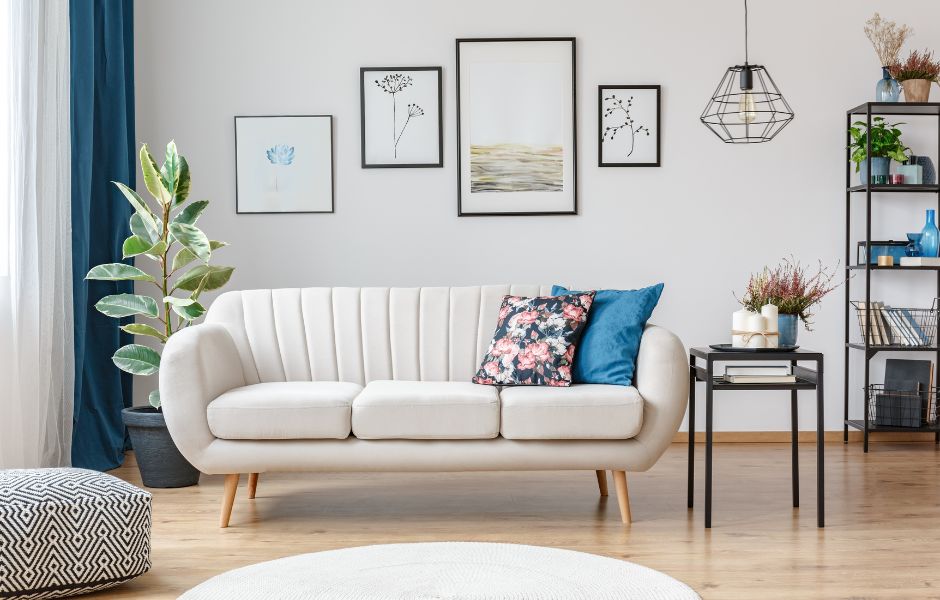
Swapping out furniture sounds fun in theory. New look, fresh vibe, finally fixing that chair everyone avoids sitting on. In reality, it can be a massive headache. You’ve got bulky stuff in the way, nowhere to put it, and a fear that whatever you buy next won’t actually fit the space the way you imagined. It’s one of those projects that feels simple until you actually start doing it.
The good news is, a little planning goes a long way. You don’t need military-level organisation, but you do need to think a few steps ahead so you’re not stuck living around half a sofa for three weeks.
Dealing with the old stuff is half the battle
Before you even think about buying anything new, you’ve got to deal with what’s already there. Old furniture has a way of hanging around longer than you expect, especially if it’s big or awkward to move. You tell yourself you’ll sort it “after” the new stuff arrives, but that usually just means chaos in the meantime.
Selling your current furniture early makes life much easier. Whether that’s online marketplaces, local groups, or even donating pieces that aren’t worth much, clearing space first gives you breathing room. It also helps you see the room properly again, which matters more than people realise when choosing replacements.
Measure everything, then measure it again
This is the part people skip, and it almost always comes back to bite them. Rooms look bigger when they’re empty. Sofas look smaller in showrooms. Doorways suddenly shrink the moment you’re trying to get something through them.
Measure the room. Measure the walls. Measure the access points. Write it down. Don’t trust your memory or your “that’ll probably fit” instinct. It’s boring, sure, but it saves you from that awful moment when a new piece arrives and clearly does not belong there.
Picking furniture that works for real life
It’s easy to get distracted by looks. A sofa might be beautiful, but if it’s uncomfortable or impractical, the novelty wears off fast. Think about how you actually use the space. Do you sprawl out? Sit upright? Have kids, pets, or guests who treat furniture like a trampoline?
When it comes to choosing the right sofas for your home, comfort and scale matter just as much as style. A slightly less trendy sofa that fits the room and your habits will make you far happier than something that looks good but feels wrong every time you sit down.
Colour and material matter more than trends
Trends are tempting, but they move quickly. Neutral bases with texture or subtle colour tend to last longer and are easier to live with. If you love bold colours, that’s fine, but think about where they work best. A statement chair is easier to swap out later than a massive sofa in a loud shade.
Materials matter too. Light fabrics look great until real life happens. Darker or more forgiving materials can save you a lot of stress if spills, hair, or wear are part of your daily routine.
Furniture swapping is annoying, yes, but it’s also a chance to reset how your home works for you. With a bit of prep and some realistic expectations, it stops feeling like a stressful overhaul and starts feeling like a proper upgrade.