We rely on electricity for almost everything at home, from boiling the kettle for a morning cuppa to charging our phones overnight.
Since it’s so woven into our daily lives, it’s easy to forget about the potential risks. But a little bit of awareness about your home’s electrical system can really help prevent accidents and keep your family safe. Knowing what to look out for is the first step towards a safer home.
Common Household Electrical Dangers
Most electrical problems don’t just pop up out of nowhere. They often start with simple, everyday issues that are easy to miss.
One of the most common culprits is an overloaded extension lead or multi-plug socket. Plugging too many high-power appliances into one spot can make it overheat, which is a serious fire risk.
Another frequent danger comes from worn or damaged electrical cords. Frayed wires, cracked insulation, or loose plugs can expose live electrical parts. You often find these on well-used appliances like vacuum cleaners or phone chargers.
It’s also super important to be careful with water in kitchens and bathrooms, as mixing water and electricity can lead to disaster.
In older homes, outdated wiring that doesn’t meet modern standards can also be a big, hidden threat. Learning how to spot these things is key to recognising electrical hazards before they get serious.
Recognising Warning Signs
Your home’s electrical system usually gives you hints when something isn’t quite right. Being able to spot these signals means you can act fast. Here are some of the most common warning signs of electrical issues:
- Circuit breaker trips often: If a breaker trips now and then, it’s usually no big deal. But if it’s happening regularly, it’s a sign of an overload or a fault in that circuit.
- Lights flicker or dim: If your lights dim when you switch on a big appliance like the air conditioner or washing machine, it could mean the circuit is overloaded or the wiring isn’t up to scratch.
- Strange sounds or smells: A constant buzzing or crackling sound from an outlet, switch, or the fuse box is a clear warning sign. Likewise, if you smell something faintly burning, you should check it out right away.
- Outlets look discoloured or feel warm: Sockets and switches should never feel warm when you touch them. Heat points to a loose or faulty connection, which can easily cause a fire.
Protecting Your Family and Property
Taking a few simple steps can really cut down the risk of an electrical incident at home. You don’t need to be an expert, just a bit mindful and make it a regular habit. Start by doing a quick visual check of your plugs, sockets, and appliance cords every few months. Look for any signs of damage or discolouration.
It’s also a good idea to get into the habit of unplugging small appliances like toasters and kettles when you’re not using them. Try to avoid running cords under rugs or furniture, where they can get damaged or overheat. Most importantly, teach everyone in the house, especially kids, the basics of electrical safety, like not touching electrical sockets and keeping electronics away from water. Installing Residual Current Devices (RCDs) adds an extra layer of protection, as they’re designed to quickly cut the power if there’s a fault, preventing serious electric shocks.
When Professional Help is Essential
While it’s great to be proactive about home safety, it’s crucial to know your limits. Simple tasks like changing a lightbulb are fine for anyone, but anything more complicated should really be left to a qualified professional.
Trying to fix wiring, replace an outlet, or investigate a frequently tripping breaker without the right training and tools is incredibly dangerous.
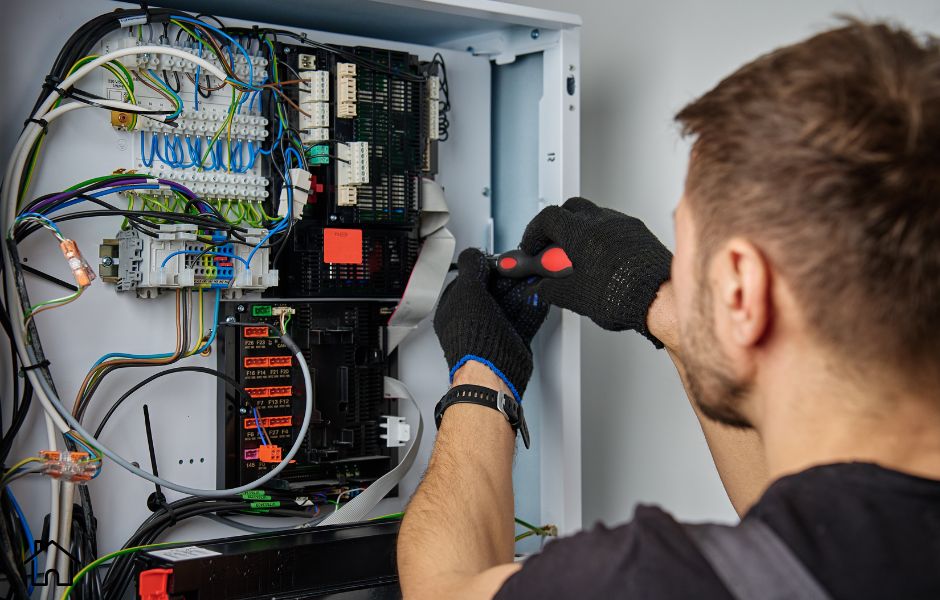
For bigger jobs, you might even need a specialist. If you’re having problems with your main switchboard, need to upgrade your home’s power supply, or have issues with the power lines coming to your property, these tasks require a certified level 2 electrician.
These pros are authorised to work on the electrical network itself, handling jobs that are beyond what a standard domestic electrician does. Never hesitate to call for expert help when you suspect a serious problem.
Staying alert about your home’s electrical system doesn’t mean you need to become an expert. By simply knowing the basic signs of trouble and understanding when to step back and call a professional, you can make sure your home stays a safe and comfy place for everyone.