We often don’t think about the vital heating system that helps in the operation of the home. Like the hot water system, for example. It’s all well and good until it fails.
Leaving the household with freezing water, particularly in the cooler months, can become both an urgent and expensive situation to fix.
Water heating accounts for a major chunk of the average household’s energy budget. It means making the wrong choice can result in high costs in the long-term.
Finding the right hot water system requires balancing your daily household water usage, upfront installation costs, and local energy availability.
Choose the Right System Type
The first step is to choose the right system type when it comes to hot water systems. Traditional tanks that hold and store water are known as storage tank systems. These are cheaper upfront but will lose a lot of heat over time.
Continuous flow and tankless system types are units that heat water instantly on demand. Their endless supply and space-saving, energy-efficient design make them an attractive option.
Heat pump systems extract warmth from the air and offer incredible energy efficiency for a lot of those who want to be more eco-conscious with their property.
Evaluate the Fuel Source Options
There are fuel source options to think about when it comes to finding the right hot water system for your home.
Electric
It’s highly common and cheap to install but will typically carry some of the highest running costs unless you pair it with solar panels.
Gas (Natural or LPG)
Gas provides fast heating times and lower greenhouse emissions. It makes for a highly cost-effective solution if the gas mains are connected.
Solar
Roof collectors will help to preheat water and offer massive running cost reductions. Of course, you’ve got a higher initial purchase price.
Size the System to Fit Your Household
A system needs to be able to fit your household and the needs of that household. A system that’s too small means you’re having to deal with cold morning showers. With a system that’s too large, it means paying to heat water that you never use.
Storage capacity metrics are important to consider, and a quick guideline would be: for a family of four, you’ll require a 135-170L gas tank or, for electric, a 250-315L tank.
You’ll also want to look at the continuous flow delivery rates based on how many bathrooms you might be running simultaneously. This will help you to pick the right system.
Factor in Upfront Costs vs. Lifespan Savings
Another consideration is to factor in upfront costs versus the savings you’ll make over the lifespan.
The cheapest unit to buy is often one of the most expensive ones to run every month. You’ve also got the possibility of government rebates. Many regions offer financial incentives, from grants to rebates for upgrading to energy-efficient heat pumps or solar power.
It’s good to look at the average lifespan being around 10-15 years. There are minor maintenance tasks that are worth knowing about to do to save money and get better returns on the system’s longevity.
Professional Installation and Regulations
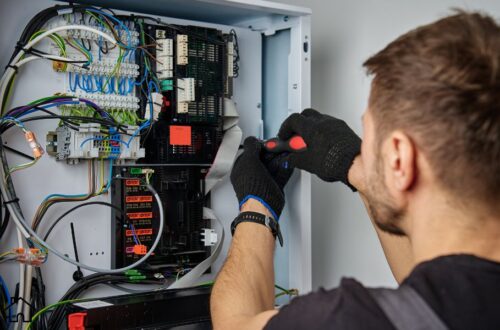
When it comes to hot water systems, the hot water installation is not a DIY job you can do. It requires a licensed professional to ensure both structural and safety compliance.
Choose the Right Hot Water System for Your Home
Investing in the correct hot water system guarantees a comfortable household, long-term peace of mind, and lower utility bills.