Collaborative post
Peace of mind is paramount, and to get this, providing a safe space for family goes a long way. A house is a home, a place where you and your family feel safe from harm’s way, both within and beyond the perimeter.
Whether it is improving your home security with different physical designs or more technical ones, increasing your levels of home protection can take multiple forms. To act quickly and ensure the safety, comfort, and lightness of life in your family. The following are essential practices to secure your family.
1. Put in Place a Full-fledged Security System;
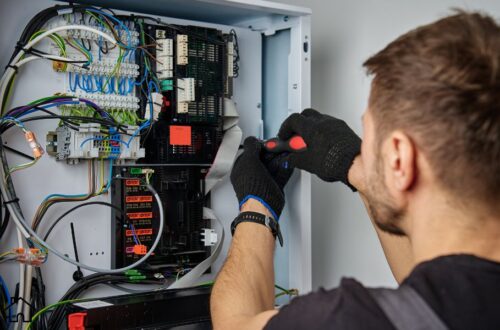
One of the best ways to keep your family safe is by investing in a home security system. In this day and age, security systems are nothing like they used to be and come with numerous features including surveillance cameras, motion detectors, and alarm systems all upgrading 24/7 monitoring on your home.
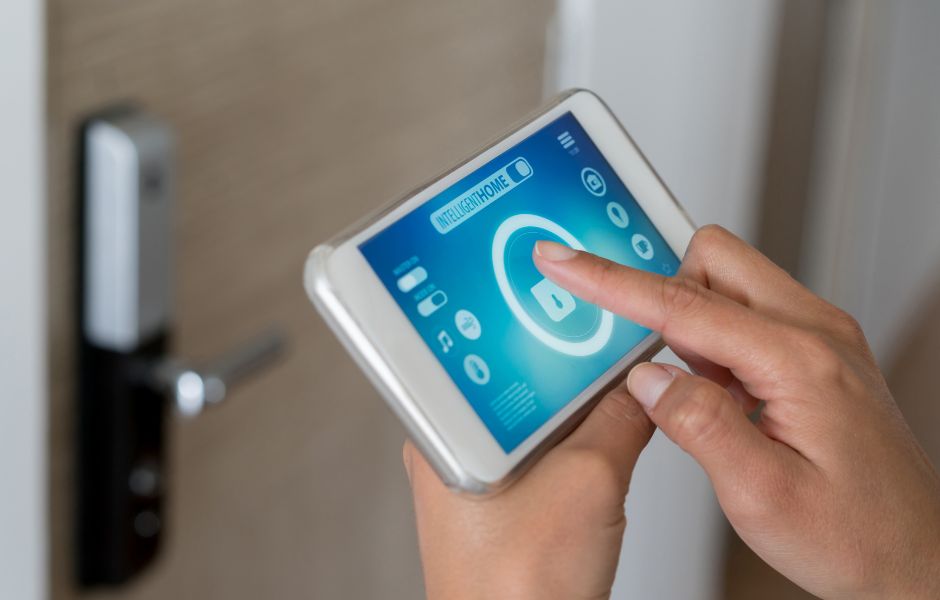
Video doorbells and smart locks remotely permit you to see who comes in and out of your property. By integrating those technologies, you deter intruders and respond to any suspicious activities in real-time. Also, please ensure all entry points — doors, windows, and gates — have high-quality locks and reinforcements.
2. Ensure a Safe Digital Space;
In the growing inter-connected world, digital security is almost as important as the physical one. Use strong passwords for each online account and device in your home to keep your family’s personal information private. Use parental controls to screen what your kids are up to online while keeping them away from adult content.
To improve your digital security, you can also work with an internet service provider like Swoop which is both safe and wonderful. It is also very important that you encourage the concept of cybersecurity in your family, ensuring they understand the risks of phishing email links and insecure sites.
3. Safety: Fire, Carbon Monoxide;
A safe home not only means keeping unwanted intruders out: but it also includes protecting your family from fire and carbon monoxide. Place some smoke alarms and carbon monoxide detectors throughout your home, near bedrooms, in the kitchen, and close to any gas-operated appliances.
Monitor these devices frequently to prevent decreased functionality due to drained batteries. Prepare an escape route with the family to know how to act in case of fire. Spending a little extra on some fire extinguishers and teaching the rest of your housemates how to properly use them can also help you sleep better at night.
4. Maintain a Well-Lit Exterior;
Lighting shouldn’t be underestimated when it comes to light security around the outside of your property. Driveways, entryways, and other sensitive spots: Try motion-activated lights. They can discourage those seedy folks from getting anywhere close without you knowing it.
Furthermore, your property will not only be more secure, but the landscape lighting provides aesthetic beauty. Make sure any dark corners or paths are lit well to minimize hiding places on your property.
5. Teach Family Safety Protocols;
Having your family understand the basics of safety is a necessary part of designing a safe home. And let everyone know what to do in case of an emergency, such as a break-in fire, or natural disaster.
Create a plan to communicate if families are separated in a crisis. Younger children need to learn about stranger danger, and what to do if they are home alone.
When everyone is on the same page about safety, it ensures that your family knows how to react during difficult circumstances with confidence.
To sum it up, making your family truly safe is a mix of physical security systems installed, digital safety best practices, and proper education about safety. You can achieve that peace of mind and keep your family safe by taking these three steps to build a safer home.