Gardens can serve as a pretty good metaphor for our internal state. We all need a little care and attention from time to time, and sometimes that means shaking off some of the prior difficulty or neglect we’ve experienced.
It doesn’t matter if your garden looks more like a wasteland right now or just needs some serious TLC, this principle applies. Just like us, gardens can go through tough seasons and sometimes need more than just a quick fix.
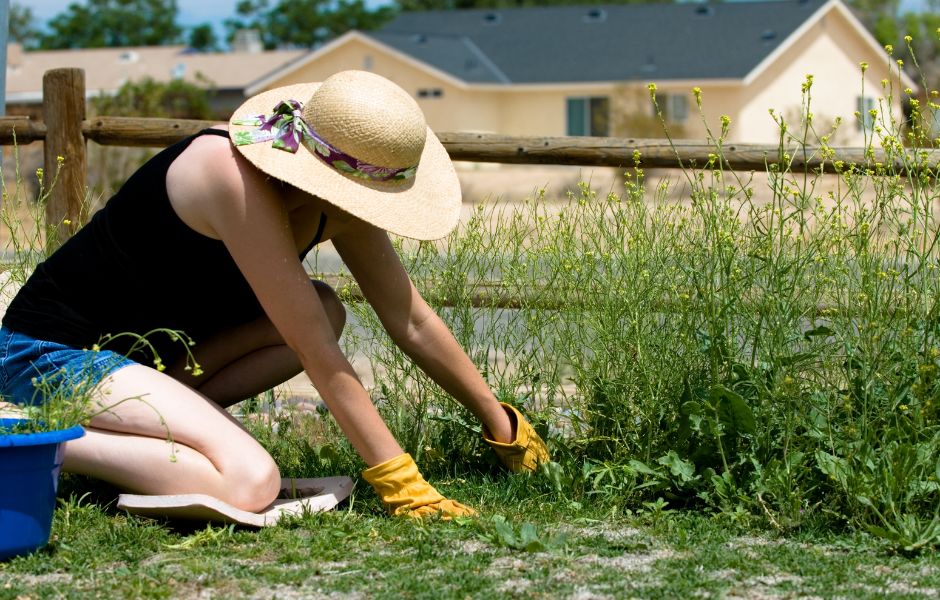
You might have inherited a neglected property, weathered a harsh winter, or simply let things slide for a few seasons, but that’s okay, as restoring a damaged garden can help you breathe life back into old soil and struggling plants.
But again, as garden can be therapeutic, perhaps you’re looking to recover your green space as you hope to work on and care for yourself. This is a great place to start, but you may require some understandable guidance to help you get started. We intend to assist you there, so let’s begin:
Soil Rehabilitation
Good gardens start with good soil. If your ground looks more like clay or dust than anything fertile, you’ll need to bring it back to life.
Biochar solutions from OnnuBiochar can help you here, even in relatively unhelpful and unwieldy soil types. These work like a health drink for your earth, adding nutrients and helping plants grow stronger so you gain the payoff later.
You can also consider implementing a rain garden or fixing water runoff if you find that some of the recent rain has been harming your options
Understanding Your Space
It’s important to realize that every garden has its own personality, and so understanding it more capably can be a very healthy thing to do.
As you begin doing so you’ll start to consider improvements you can make that actually have sense behind them. First see what coverage you’re working with, as some spots get tons of sun, others stay shaded, and from there some areas collect water, but others drain quickly.
Watch how your garden behaves through different times of day and season, and look to see what’s relevant to your area, as native plants often work best because they already know how to survive in your specific environment. Then you can begin the cleanup such as replacing turf or removing old structures that no longer serve you.
Slow & Steady Planting
Don’t rush to fill every inch of ground even when the warmer weather comes in. It’s very tempting to do so, especially if the prior garden state has been cleared and you want to add some life. But if you can, start small and be patient.
Choose plants that are tough and can help improve the soil and will nourish it. For example, ground cover plants are great for preventing erosion and slowly making the soil healthier.
If you begin with a small section, let it establish, and then expand, your garden will thank you for taking things slowly and provide a much better base from which to build.
With this advice, we hope you can more easily restore a damaged garden for the better.