Small changes to everyday routines can cut household water waste without making life less convenient.
The best results come from understanding where water goes, fixing hidden problems and adjusting the fixtures and appliances you already use. These seven practical changes cover the main water-saving opportunities inside and outside your home.
Tracking Your Daily Baseline
Start by checking your water meter and recent utility bills. Record the meter reading at the same time each day for one week, then compare weekdays with weekends. This gives you a useful baseline and may reveal unusually heavy use on laundry days or after garden watering.
The EPA’s water-saving guidance also recommends looking at water use as a household habit, not a single monthly figure. Try a simple phone note or spreadsheet with daily readings and activities. Once you know your normal pattern, you’ll have a clear way to measure whether each change is working.
Aerators and Low-Flow Fixtures
Fit aerators to bathroom and kitchen faucets as your second water-saving change. These small attachments mix air into the stream, keeping the flow useful while reducing the amount of water released. Check the faucet tip first because some modern taps already have an efficient aerator installed.
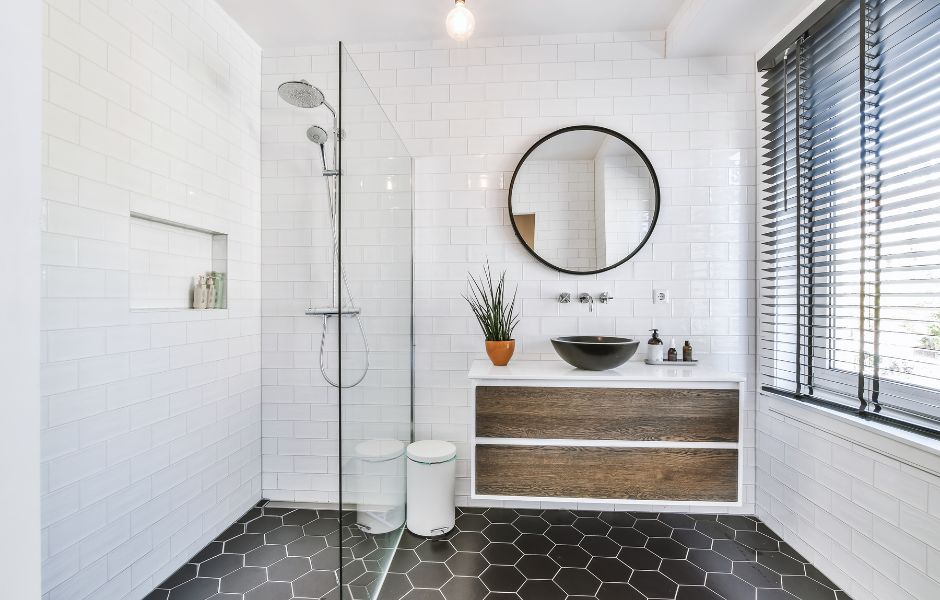
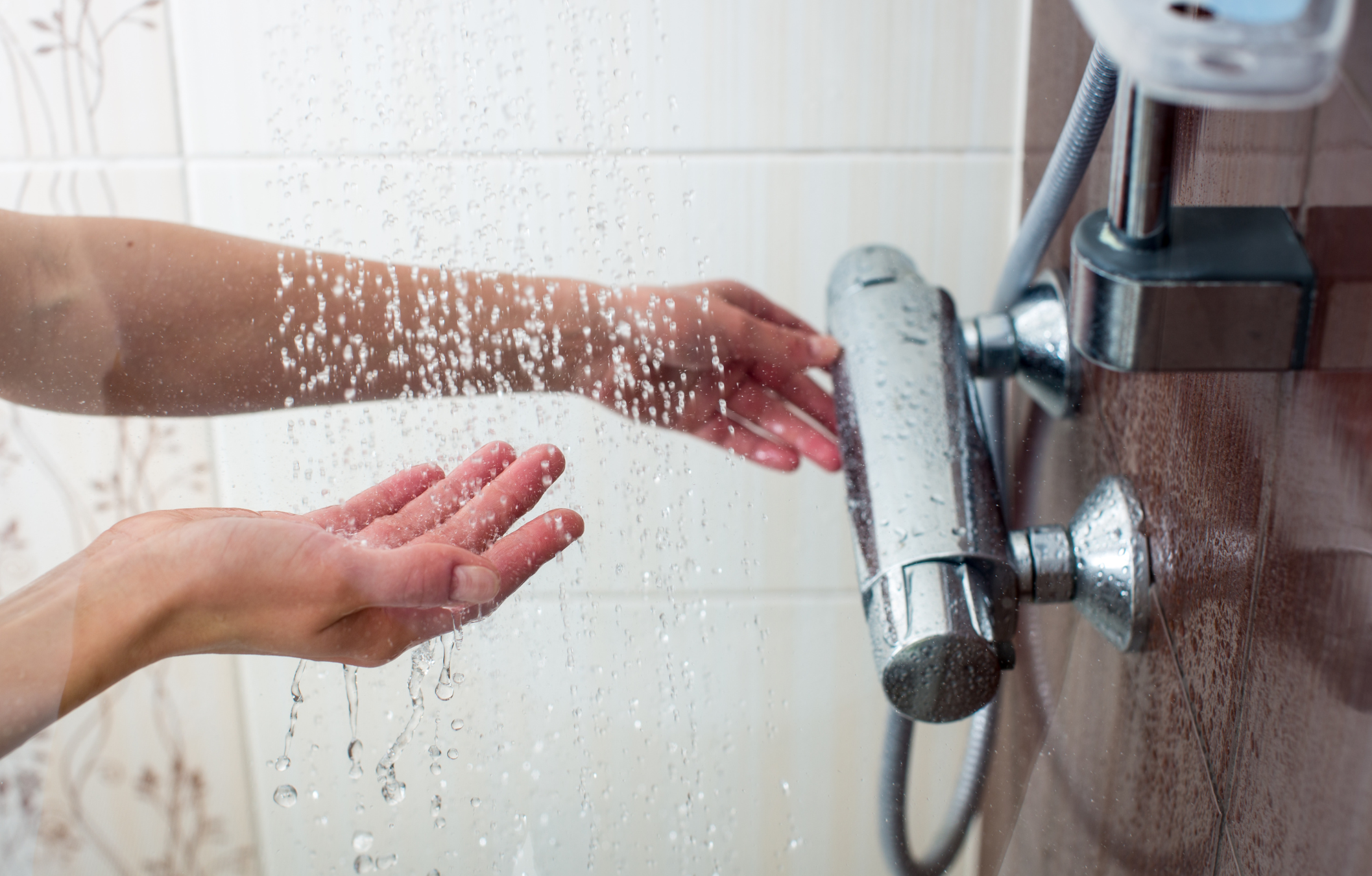
Low-flow showerheads offer another easy home upgrade, particularly in homes where several people shower each day. Choose products with recognized efficiency labeling and follow the manufacturer’s flow-rate guidance. If an old fixture is corroded, difficult to remove or connected to unreliable pipework, ask a licensed plumber to assess it and install the replacement correctly.
Finding and Eliminating Silent Leaks
Silent leaks can continue for weeks because they leave no obvious puddle. To test for them, turn off all faucets and water-using appliances, then watch the meter. Movement during the next 30 to 60 minutes suggests water is escaping somewhere.
Toilets are common trouble spots. Add a few drops of food coloring to the tank, wait about 15 minutes without flushing and check whether color appears in the bowl. Replace a worn flapper if it does. Also inspect cabinets beneath sinks, outdoor faucets and appliance hoses for dampness, mineral marks or musty odors. Repairing these leaks promptly prevents wasted water and reduces the chance of cabinet, wall or floor damage.
Mindful Dishwashing and Laundry Routines
The fourth change is to run the dishwasher only when it’s full. Scrape plates into the trash or compost bin and skip pre-rinsing unless your machine’s instructions require it. A modern dishwasher often uses less water than washing a full load by hand. When handwashing is necessary, fill one basin for washing and another for rinsing instead of leaving the faucet running.
Your fifth change belongs in the laundry room. Match the water setting to the load size or use the machine’s automatic sensing mode. Full loads generally make the best use of each cycle, though clothes still need enough room to move. Choose a shorter cycle for lightly worn items and treat individual stains before washing.
Outdoor Irrigation Adjustments
Set irrigation for the early morning, when cooler temperatures reduce evaporation. This sixth change gives soil more time to absorb water before the heat of the day. Check sprinklers while they’re running and redirect any heads that spray sidewalks, fences or driveways. A rain shutoff device can also prevent automatic watering during wet weather.
For the seventh change, group plants according to their water needs and add mulch around them. Mulch slows moisture loss and helps keep the root zone cooler. These home water reduction tips also cover practical outdoor habits. Watch the plants and test the soil before watering because a fixed schedule may supply more than the garden needs.
A meter check after two weeks will show which changes have made a measurable difference. If usage remains unexpectedly high, repeat the no-use meter test and inspect the places that are easiest to overlook, including toilets, outdoor connections and hoses behind appliances.