Image Credit: Unsplash
A kitchen renovation can quickly become more expensive and stressful when a DIY project goes wrong, measurements don’t line up, or poorly fitted materials need replacing.
While saving money feels rewarding, costly mistakes can leave you with unfinished work, wasted materials, and a kitchen you can’t fully use. Discover which upgrades you can confidently tackle yourself, when professional expertise makes more sense, and how to avoid expensive rework while creating a kitchen that looks great and functions beautifully.
Weekend Projects Anyone Can Tackle
Paint, hardware, and small storage improvements can refresh a kitchen without disrupting how it functions. Replacing cabinet handles is a good starter project because you can reuse the existing holes or make a simple drilling template from scrap cardboard. Painting a wall or adding removable shelf liners also fits comfortably into a weekend.
Cabinet painting demands more preparation, so read about other homeowners’ cabinet painting experiences before committing. Cleaning, sanding, and priming every surface can take longer than expected.
If you want more manageable ideas, these DIY home projects offer useful inspiration. Start with one contained task and finish it before removing another door or emptying another cupboard.
Why Precise Kitchen Cabinets Need Experts
Cabinet installation depends on millimeter-level accuracy. Floors can slope, walls may bow, and corners rarely form perfect 90-degree angles. A small measuring error can leave doors rubbing, drawers misaligned, or an appliance opening too narrow.
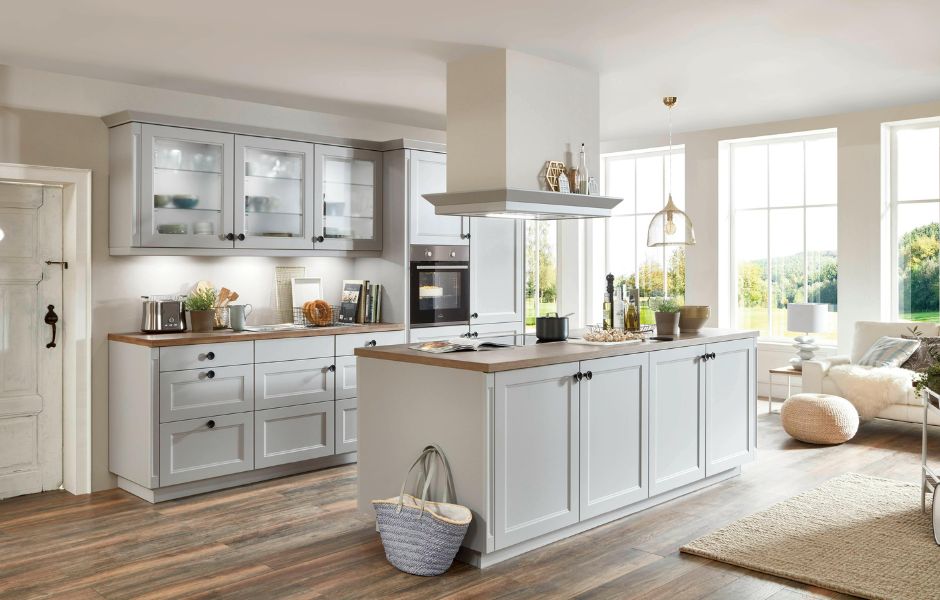
Custom kitchen cabinets are a practical option for homeowners in Mackay and surrounding areas who need design, assembly and installation support. Professional planning is especially useful when the renovation includes awkward corners, floor-to-ceiling storage or integrated appliances.
Call an expert if cabinets must be secured to uncertain wall framing or adjusted around plumbing and electrical points. Professionals can also produce a 3D design, which makes it easier to check clearances and storage placement before materials are cut. That early precision protects the most expensive parts of the project.
Tile Splashbacks and Surface Fitting
A small, straight splashback can be a reasonable DIY task if the wall is flat and there are few cuts. Lay out the tiles on a table first, including spacers, so narrow pieces don’t end up awkwardly squeezed into one corner. Mark a level reference line because countertops aren’t always perfectly level.
Complex patterns, uneven walls, and multiple outlets increase the difficulty quickly. Professional fitting is also sensible for stone or engineered surfaces since these materials require accurate templates and specialized cutting equipment.
When using adhesives, sealants, or coatings, check the label for ventilation instructions. The EPA’s guidance on indoor air quality during remodeling explains how dust and product emissions can affect your home. Keep food preparation areas sealed off and allow finishes to cure fully before using the space.
Calculate the Cost of Rework
DIY savings disappear when a mistake requires new materials and paid labor to remove the first attempt. Price the project twice: first as a successful DIY job, then with a realistic rework allowance. Include replacement tiles, extra adhesive, tool rental, disposal fees, and the value of several additional days without a working kitchen.
Imagine a splashback that uses $500 in tile. If poor alignment forces you to remove it, you may need another batch of tile plus wall repairs before installation can restart. Matching a discontinued color or batch can create another problem.
Set a firm stopping point before work begins. If the wall needs rebuilding, measurements don’t agree, or a fitting affects plumbing or electricity, pause and call the appropriate professional. A careful handover usually costs less than repairing damage after pushing ahead.
The best DIY kitchen jobs have clear boundaries and forgiving materials. Save your energy for paint, handles, and simple organization, then leave fitted cabinetry and demanding surfaces to people equipped to get them right the first time.